Structural Drying & Dehumidification in White Plains, NY
Surface dry is not dry. The White Plains crews use air movers and LGR dehumidifiers to pull moisture from walls, framing, and slabs, then verify it with meters, 24/7.
(914) 669-3241Reach the 24/7 Westchester dispatch line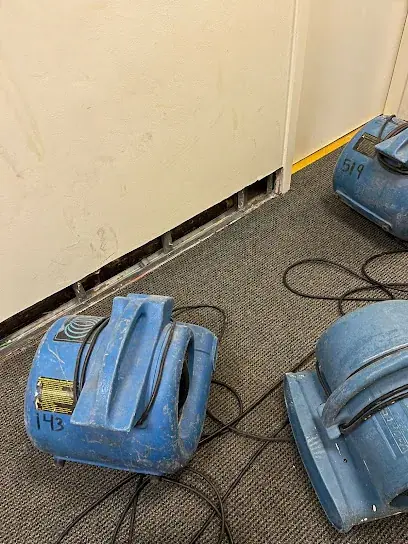
Why White Plains calls the local pros for structural drying and dehumidification
Rapid local response
Whoever answers the White Plains line picks up 24/7, and the nearest crew heads out the moment you call, day or night, across the city and central Westchester.
IICRC S500 drying standard
Trained crews run truck-mounted extraction, air movers, and moisture meters and dry to a verified standard, not a mop and a fan.
Claim-ready documentation
The restoration team records the loss with photos and daily moisture readings, the paperwork an adjuster looks for. Coverage depends on your policy, so it is worth checking with your own insurer.
Local water experts
Frozen pipes, ice dams, hillside basements, and aging plumbing, so the local pros know how water moves in a Westchester home.
What to do so structural drying works in your White Plains home
Drying to a verified standard is what stops mold, so give the process the best start.
Remove standing water and wet items first. Get soaked rugs, furniture, and belongings out of the space.
Leave the drying equipment running. Air movers and dehumidifiers need to run continuously to work.
Keep windows and doors as directed. The crew sets the space for controlled drying, not open-air.
Let the crew verify with meters. Equipment comes out only once the readings confirm it is dry.
Do not wait it out
Water spreads by the minute and mold can start within a day or two. The faster the restoration team is on-site, the less you lose. Call and a crew heads out.
(914) 669-3241What does structural drying and dehumidification cost in White Plains, NY?
In White Plains, NY, structural drying and dehumidification typically runs $1,500 to $7,000 or more, set by how many rooms are wet, the materials, and how deep the moisture sits.
- A single room or wall system
- Air movers and dehumidifiers, monitored
- Multiple rooms or a basement
- Extended drying with daily readings
- Plaster, hardwood, or a slab
- Specialty drying over more days
Documentation for your insurance claim
Insurance usually covers sudden, accidental water damage. The restoration team documents the loss the way an adjuster needs it, with timestamped photos and daily moisture readings for the claim file. Coverage depends on your policy, so it is worth checking with your own insurer. Want a number first? Try the Water Damage Cost Calculator for a White Plains range.
How structural drying and dehumidification is handled in White Plains
Call & dispatch
Whoever answers the White Plains line picks up day or night, and the nearest crew heads out with truck-mounted extraction, air movers, and moisture meters.
Assess & contain
The tech who does the walkthrough maps the source and the full reach of the water, including what soaked into subfloor, framing, and wall cavities.
Extract & dry
The extraction crew pulls the standing water first, then air movers and LGR dehumidifiers dry the structure to a verified reading, not just the surface.
Verify & document
The drying team logs moisture readings daily until the structure reads dry, then documents the loss for the claim file.
Getting the standing water out is only half the job. The water that soaked into drywall, framing, subfloor, and slab has to be pulled back out, or it stays trapped in the structure, warps wood, and grows mold behind walls that look dry on the surface. Structural drying is the science of removing that hidden moisture and proving it is gone with readings, and it is what turns a water loss into a real recovery after extraction.
Why surface dry is not dry
A wall can feel dry to the touch and still be soaked inside:
- Drywall and plaster hold moisture behind the paint
- Framing and subfloor wick water deep into the wood
- A concrete slab and the ground beneath give up moisture slowly
- A cold White Plains basement traps humidity that keeps materials wet
Left alone, that trapped moisture is exactly where mold starts, which is why the crews dry to a measured target rather than by appearance.
The drying process
TDL Restoration dries to a standard:
- Set air movers to sweep moisture off surfaces into the air
- Run low-grain refrigerant dehumidifiers to pull that moisture out
- Use specialty drying, like wall and cavity systems, where needed
- Take daily moisture readings and adjust the equipment
- Confirm a dry reading before the crew removes the gear and documents it
Water damage that needs to be dried right? Call now. A White Plains crew sets a proper drying system and monitors it to a verified reading.
☎ Call (914) 669-3241Why a verified reading matters
Drying to a number, not a feeling, is what protects your home and your claim:
- It confirms the structure is safe to rebuild on
- It documents for your insurer that the job was done to standard
- It prevents the callback where mold appears weeks later
The EPA and the CDC both stress that drying water-damaged materials within 24 to 48 hours is what keeps mold from taking hold.
Do not close the wall until it reads dry
Rebuilding over framing that is still wet traps the moisture and grows mold inside the new wall. The crew verifies a dry reading first, so the repair holds.
Where structural drying and dehumidification is handled across White Plains
The White Plains water damage pros answer 24/7 and cover the whole city and central Westchester, day or night.
The White Plains water damage pros answer 24/7 and cover the whole city, day or night, with rapid local response across central Westchester.
Coverage runs across White Plains, Scarsdale, Harrison, Greenburgh, Hartsdale, Elmsford, Valhalla, and central Westchester.
See every neighborhood and ZIP covered ›Related water damage services in White Plains
Structural Drying and Dehumidification questions, answered
Water in your home right now?
Do not wait for the FAQ. A local White Plains crew is standing by 24/7.
(914) 669-3241 Call the White Plains lineHow long does structural drying take?
Most homes dry in 3 to 5 days, though a saturated slab, old plaster, or hardwood can take longer. The crew monitors moisture daily and pulls the equipment only once the readings confirm a dry target.
Why not just use my own fans?
Household fans move surface air but do not remove moisture from the air or pull it out of framing and slab. Commercial air movers paired with dehumidifiers actually dry the structure, which is what prevents mold.
Do the machines have to run overnight?
Yes. Drying is continuous, so the air movers and dehumidifiers run day and night. Turning them off between visits lets materials re-absorb moisture and sets the job back.
How do you know when it is dry?
The crew takes daily moisture readings with meters and compares them to a dry standard for each material. Only when the readings hit that target does the crew remove the equipment and document the result.
Will drying prevent mold?
Fast, thorough drying to a verified reading is the single best defense against mold, because mold needs trapped moisture to grow. Drying within a day or two of the loss is what the EPA and CDC recommend.
The White Plains restoration team is standing by
Water sitting means damage spreading. Call TDL Restoration and a crew heads out across central Westchester, day or night.
(914) 669-3241One call, day or night